Author: oscarj

  • Montserrat

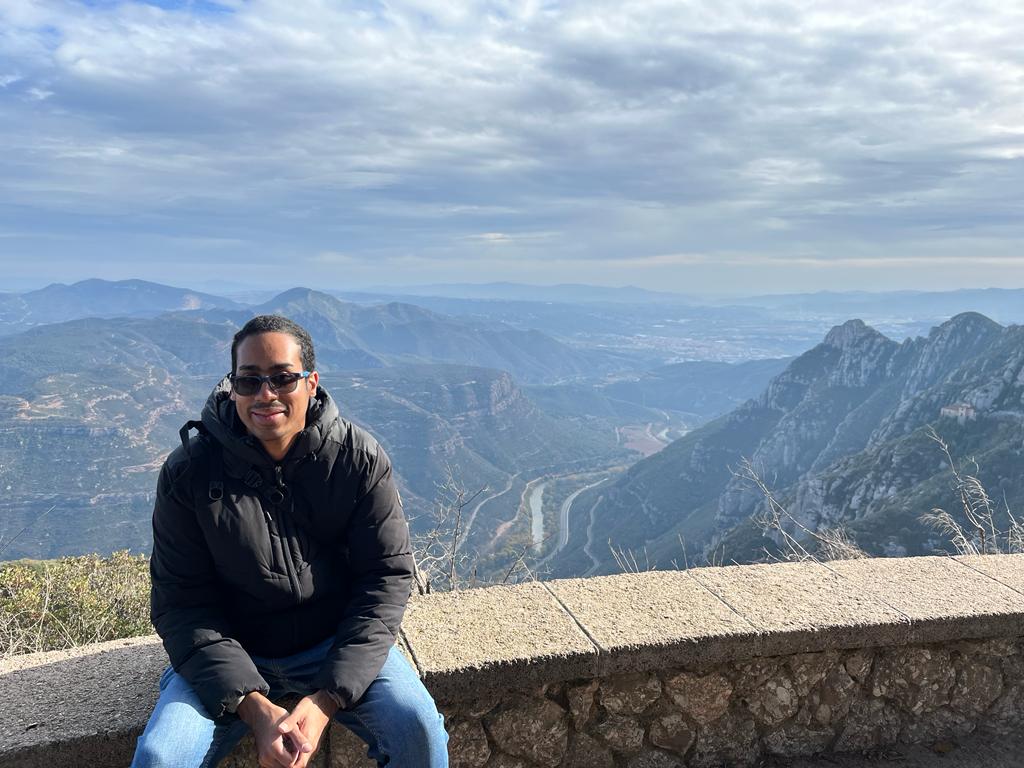
    Montserrat is a multi-peak mountain range located just outside Barcelona best known for the Benedictine monastery of Santa María de Montserrat. First known to the Romans as Mons Serratus (“Saw-Toothed Mountain”) and to the Catalans as Montsagrat (“Sacred Mountain”), it is famous for its unusual appearance and the aforementioned monastery, which houses an ancient wooden statue of the Virgin and Child that was supposedly carved by St. Luke, taken to Spain by St. Peter, and hidden in a cave during the Moorish occupation. The statue was found in 880 and has since been venerated by numerous pilgrims. It has since become a popular attraction bringing in thousands of visitors annually.

    How to get there

    The most convenient and accessible way to get there from Barcelona is taking the suburban rail FGC R5 line from the Placa Espanya metro station, if using the metro to get to the station simply follow the signs for the FGC and sometimes it’ll indicate Montserrat as well to make it easier. Once there you can use any of the ticket machines and get a round trip ticket which runs around 7 euros one way and will take approximately an hour and a half. Once at the station monistrol de Montserrat disembark and head to the separate train called Cremallera that takes you up to the monastery which is 14 euros roundtrip, also if you get off the FGC a stop before you have the option of taking the cable car which offers amazing views of the mountains.

    What to do

    Without a doubt the main attraction of Montserrat is the monastery itself where you can see iconic sites like the cathedral where you can see the moreneta or black madonna note you will need an entry ticket which will run you roughly 7 euros. Aside from this, there are many viewpoints where you can pictures of the valley below. Lastly, there’s many trails you can hike up be aware to look at the trail map at the start as some trails can go many kilometers away from the monastery, if you’re not too keen on making the trip up you can always take another cable car up and work your way back to the monastery.

    Where to eat

    If you get hungry there are a few cafeterias you can go to and a restaurant I brought my own food when I went but if you need to you have that option and some have good views of the valley.
  • Catalonia History

    Intro

    Catalonia is a unique part of the world, nestled in northeastern Spain right on the Pyrenees which acts as a border between Spain and France. With its own language Catalan and its own traditions it is distinct from the rest of Spain to the extent it’s considered a nationality under Spanish law along with most other regions of the country. Since its incorporation into what would become Spain it has had a less than smooth relationship with Madrid In this article I’ll briefly explain why things are the way they are and the current state of affairs. 

    How it started  

    Catalonia’s history dates back to the pre-Roman times with evidence of early settlements from that time period but for times sake this is what you need to know in order to understand the present. The County of Barcelona had already become a significant political entity by the 12th century and eventually was incorporated into the kingdom of Aragon which also included modern day Valencia , Balearic Islands and Aragon all of whom share the same language. However, the region’s desire for autonomy began to clash with the growing power of the Kingdom of Castille, particularly during the War of Spanish Succession in the early 18th century. The defeat of Catalonia on September 11th 1714 a date which would later become a regional holiday in which it lost its autonomy marked the beginning of a long struggle for identity and autonomy that resonates to this day. Later on Barcelona would become a republican stronghold during the Spanish civil war which culminated in 1939 with its defeat by the Nationalist forces, which led to the Franco regime (1939-1975) where regional languages including Catalan were forbidden with very severe consequences for those who did. ,

    After Franco’s death and the transition to democracy in 1978 Catalonia was granted a high degree of autonomy via the statute of autonomy in 1979. This allowed for catalan to be restored as an official language alongside Spanish promoted via media ,government ,and education. This period marked a revival in Catalan identity and pride which followed in the decades after.   

    Contemporary issues

    In recent decades, political tensions between Catalonia and Madrid have not ceased with some notable examples particularly regarding issues of autonomy and independence. The most notable of which was when the Catalan Parliament declared independence in 2017 after a referendum  under the leadership of then regional president Carles Puigdemont, leading to a national crisis that drew attention from around the world. This chapter of Catalonia’s history illustrates the deep-seated desire of many Catalans to assert their identity, often creating a divide between those who seek independence and those who prefer to remain part of Spain with mostly older people preferring independence though tensions are low at the moment .

  • Sagrada Familia

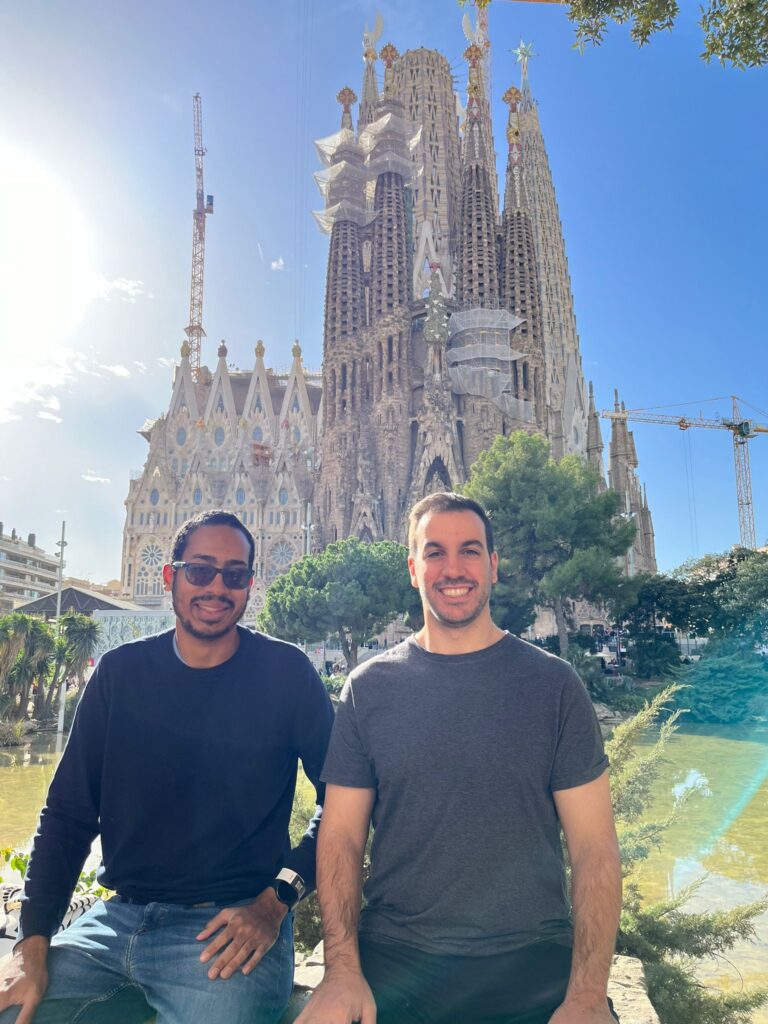
     Also known by its official name Basílica I Temple Expiatori de la Sagrada Família The Sagrada Familia is probably the most iconic landmark in all of Barcelona the creme de la creme of churches is impossible to miss if you’re here but what makes this building so famous aside from its imposing stature and intricate design with great attention to detail in this article well briefly cover the beginning, the end and everything in between you need to know about this work of art. 

    History

    Beginning construction on March 19, 1882, the building was funded by donations as it is today minus ticket sales. It was designed by Antoni Gaudi, a renowned Catalan architect who’s also responsible for designing many other iconic buildings in Barcelona, including Casa Milla and Batllo, Casa Real, etc. It was originally under the direction of fellow architect Francisco de Paula del Villar until Gaudi took over a year later, in 1883.

     Its slow construction led many people even back then to note the amount of time it was taking to build the church to which Gaudi allegedly said that his client wasn’t in a rush, in a way acknowledging his work wouldn’t be completed in his lifetime. By the time Gaudi died in 1926, it was roughly 15 to 25 percent complete. After Gaudi’s death, work was continued by his disciple Domènec Sugrañes i Gras until interrupted by the Spanish Civil War in 1936 in which his workshop and part of the basilica were destroyed.

    Architectural highlights

    The original intent was to build a Gothic-style church in a standard form under its original architect Del Villar, no one then could imagine the turn it would take, To put it simply the Sagrada Familia is known for its three stunning facades: the Nativity, Passion, and Glory, each rich in symbolism. Gaudí’s use of organic shapes, inspired by nature, creates a sense of fluidity. The interior is equally impressive, with tree-like columns supporting a canopy that mimics the natural world, flooding the space with light.

    Visitor experience 

    Most importantly, it’s recommended to buy your tickets at least a few days in advance, as they sell out quickly. The base-price ticket costs around 26 euros. Lastly, only buy from the official website. If for whatever reason you don’t end up going inside including the ticket price you can perfectly appreciate and soak in the church from outside as well as visit the two adjoining parks Placa de Sagrada Familia and Placa Gaudi, both are great spots to take pictures, just be sure to keep an eye on your things.

    On an important note, the central tower of the Sagrada, the Jesus Tower, was completed early 2026 and was inaugurated in June 2026 in a grand activity featuring the pope. Also noteworthy, this coincides with the 100th anniversary of Gaudí’s death.

  • A Nomad’s First 48 Hours in Barcelona

    A Warm Welcome

    Barcelona Nomad is here for curious travelers who want more than a checklist of famous sights. We share practical local tips, relaxed neighborhood finds, and inspiring ideas to help you experience the city at a slower, smarter pace.

    If you have just arrived in Barcelona, your first two days can set the tone for the rest of your trip. This simple guide will help you settle in, eat well, explore thoughtfully, and start feeling at home.

    Start with the Neighborhood

    Before rushing across the city, spend your first morning getting to know the area around your stay. Pick a local café, walk a few side streets, and notice the rhythm of daily life. In Barcelona, some of the best moments come from wandering without a strict plan.

    The fastest way to enjoy Barcelona is to slow down a little.

    What to Do on Day One

    • Take an easy walk through the Gothic Quarter or El Born.
    • Stop for a long lunch instead of squeezing in too many attractions.
    • Visit one major landmark, then leave room for spontaneous discoveries.
    • End the day with a sunset view from a hill, rooftop, or beachfront promenade.

    What to Do on Day Two

    • Explore a market and try a few local favorites.
    • Choose one neighborhood outside the busiest tourist core.
    • Take breaks often and build your day around food, walking, and atmosphere.
    • Make a short list of places you want to revisit later in your trip.

    Why Barcelona Nomad Exists

    We created Barcelona Nomad to make travel feel more personal and less overwhelming. Our journal is designed for visitors who want curated guides, honest recommendations, and ideas that balance iconic spots with local character.

    Whether you are planning a weekend escape or a longer stay, we hope our stories help you explore Barcelona with confidence and curiosity.

    Keep Exploring

    Follow Barcelona Nomad for neighborhood guides, seasonal inspiration, and practical tips for making the most of your time in the city. Your next favorite corner of Barcelona might be just one relaxed walk away.